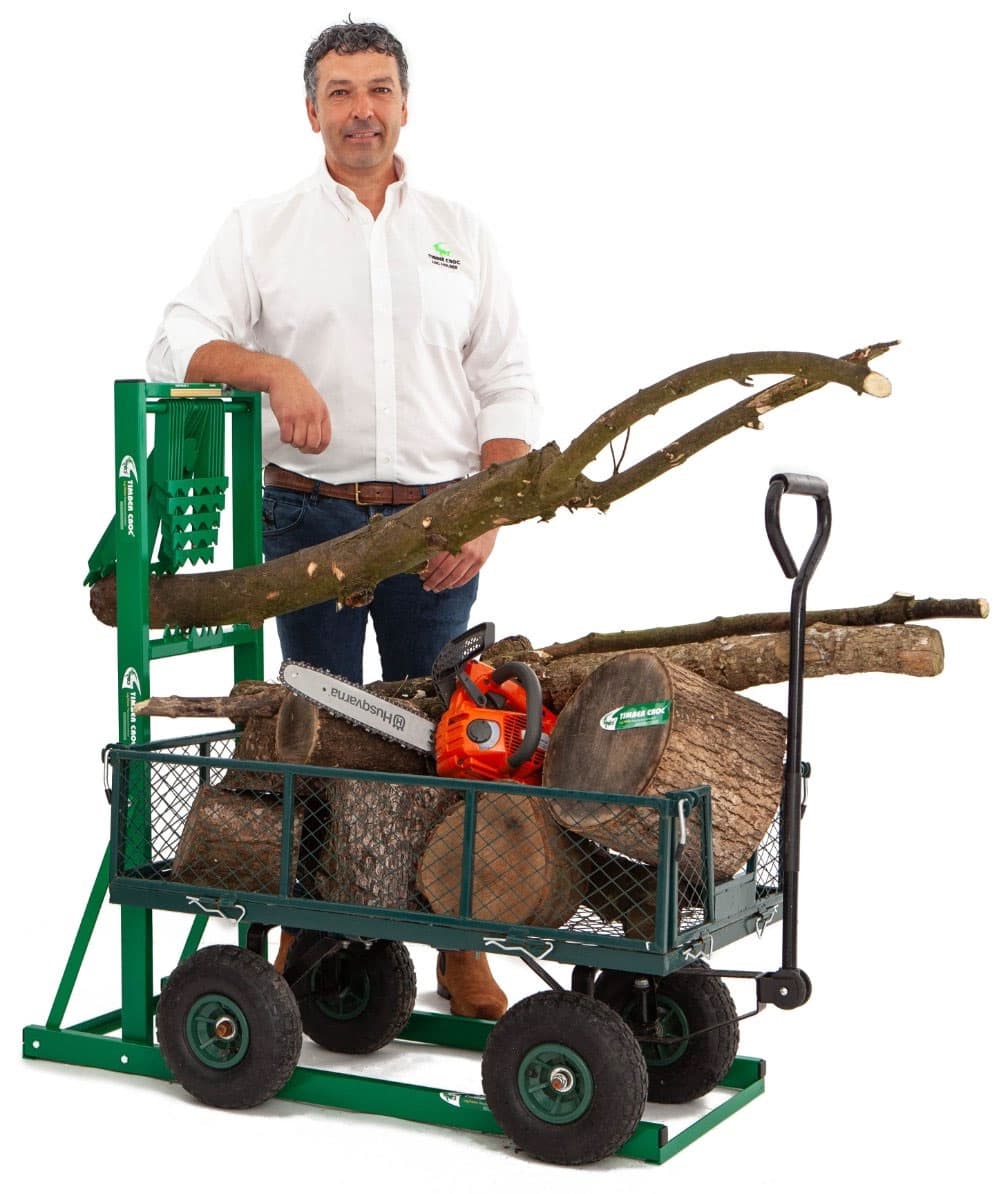
By Des Geraghty, Founder of Timber Croc | Last Updated: November 2024 | 8 min read
As an Irish manufacturer of professional log holding equipment with over a decade of experience in chainsaw safety, I've witnessed countless near-misses during winter wood cutting season. Between November and February, when firewood demand peaks across Ireland, the UK, and Northern Europe, the combination of cold temperatures, wet conditions, and shorter daylight hours creates a perfect storm of chainsaw hazards.
This comprehensive guide draws on our experience working with professional foresters, farmers, and homeowners across Ireland, the UK, and Germany, to help you cut firewood safely throughout winter.
Why Winter Chainsaw Work Is More Dangerous (Backed by Safety Data)
Cold weather chainsaw operation introduces specific risks that accident data consistently highlights. According to workplace safety research, manual dexterity decreases by up to 25% when hand temperature drops below 15°C, significantly affecting chainsaw control. The Health and Safety Authority (HSA) Ireland and Health and Safety Executive (HSE) UK both emphasise the heightened risks associated with cold weather chainsaw operations. In Ireland and the UK, where winter temperatures regularly hover between 0-8°C with high humidity, these conditions are the norm rather than the exception.
Key winter hazards include:
-
Reduced grip strength and dexterity from cold hands, even with gloves
-
Compromised footing on wet leaves, frost, ice, and Irish/UK mud
-
Limited visibility due to shorter daylight hours (sunset by 4:30 PM in December across Ireland and UK)
-
Equipment reliability issues as chain oil thickens and fuel performance changes
-
Physical fatigue from working in cold, damp conditions
-
Ice-laden branches becoming falling hazards during cutting
In my years manufacturing safety equipment in Enfield, Co. Meath, I've learned that understanding these risks is the first step toward preventing accidents.
Essential Winter Chainsaw Clothing and PPE for Irish, UK, and German Conditions
Ireland and the UK present unique challenges: it's not just cold, it's damp. That persistent moisture makes proper layering critical for both safety and comfort.
The Three-Layer System for Irish/UK/German Winter
Base Layer (Moisture Management): Merino wool or synthetic moisture-wicking materials are essential. Cotton is dangerous in Irish winter conditions, once wet from sweat or rain, it loses all insulating properties and can contribute to hypothermia. Your base layer should fit snugly but not restrict movement.
Mid Layer (Insulation): Fleece or synthetic insulation works best. Down is ineffective once damp, which happens quickly in Irish weather. This layer provides warmth while allowing moisture to escape outward.
Outer Layer (Protection): Your chainsaw-protective jacket or chaps must fit properly over winter layers. Never compromise on PPE fit, loose clothing around chainsaws is extremely dangerous. Look for Class 1 (20 m/s) or Class 2 (24 m/s) rated protective wear conforming to EN 381 standards, which are required for professional forestry work across the EU and UK.
Hand Protection for Cold Weather Chainsaw Work
This is where most people get it wrong. Standard winter gloves are too bulky for safe chainsaw operation. You need specialized chainsaw winter gloves that provide:
-
Cut protection conforming to EN 381-7 standards
-
Thermal insulation (look for Thinsulate or similar)
-
Grip enhancement for wet conditions
-
Proper dexterity for trigger control and chain brake operation
Brands like Arbortec, Husqvarna, and Stihl manufacture winter-specific chainsaw gloves available throughout Ireland and the UK. Always carry a spare pair, wet gloves are both dangerous and miserable.
Footwear for Irish/UK Ground Conditions
Quality chainsaw safety boots with:
-
Class 2 or 3 chainsaw protection (EN ISO 20345)
-
Vibram or equivalent aggressive tread for mud and wet ground
-
Waterproof construction (essential for Irish conditions)
-
Insulation rated to at least -10°C
-
Steel or composite toe protection
Irish and UK ground conditions demand excellent tread. Wet leaves over mud or grass create extremely slippery surfaces. I've seen experienced operators fall simply from inadequate footwear grip.
Preparing Your Chainsaw for Winter: Technical Guidance
Over years of testing equipment in Irish winter conditions at our Meath facility, we've identified critical preparation steps:
Winter-Grade Bar Oil
Standard bar oil becomes too viscous below 5°C, reducing chain lubrication and increasing wear. Switch to winter-grade or arctic bar oil, which maintains proper flow in temperatures as low as -25°C. This is particularly important for professional operators in Scotland, Northern Ireland, Scandinavia, and Alpine regions of Europe.
Irish/UK suppliers: Most agricultural suppliers and tool shops stock Husqvarna Bio Advanced, Stihl BioPlus, or Oregon winter bar oils. Purchase before December when demand peaks.
Fuel Mixture Considerations
Cold weather affects fuel combustion. While you should always follow manufacturer specifications, be aware that:
-
Fuel lines and filters can accumulate moisture that freezes
-
Use fresh fuel mixture (less than 30 days old)
-
Consider fuel stabiliser for equipment stored outdoors
-
Allow fuel to reach ambient temperature before refueling (condensation risk)
Pre-Work Equipment Checks
Before each winter cutting session:
-
Warm-up period: Run your saw at idle for 3-5 minutes. Cold metal contracts; immediate full-power operation increases wear
-
Chain tension: Check when warm, cold chains contract and may be over-tight when warmed
-
Chain sharpness: Dull chains require excessive force, reducing control on slippery ground
-
Bar oil flow: Verify oil is flowing freely, test on cardboard
-
Safety features: Test chain brake, throttle lock, and stop switch with gloves on
Ground Preparation and Work Area Setup: Critical for Solo Operators
This is where proper equipment makes the difference between safe, efficient work and potential disaster. As someone who designs log holding equipment specifically for one-person operations, I cannot overstate the importance of stable ground preparation.
Creating Safe Footing in Winter Conditions
For muddy or soft ground:
-
Lay wooden pallets or boards to create stable platforms
-
Clear all wet leaves, which are incredibly slippery
-
If working on slopes, create level areas for stable stance
-
Consider rubber matting for frequently-used cutting areas
For frozen or icy conditions:
-
Sand or grit improves traction (keep a bag in your vehicle)
-
Avoid cutting on icy surfaces when possible
-
Wait for slight warming if conditions are extreme
-
Test footing before beginning work
The Solo Operation Challenge in Winter
Working alone in winter multiplies risks. Traditional saw horses become dangerous when you're managing logs with cold hands while maintaining stable footing on slippery ground. This is precisely why we developed the Timber Croc system in Ireland, to address the real-world challenges of solo winter cutting.
Key requirements for safe solo winter operation:
-
Secure log holding at hip height eliminates bending and awkward positions that compromise balance on slippery ground
-
Self-adjusting grip systems work with one hand, keeping your other hand free for chainsaw control
-
Stable, wide-base design remains secure even on uneven winter ground
-
Quick log changes minimize time spent in vulnerable positions
The hip-height working position is particularly important in winter. Repeatedly bending to ground level exhausts you faster in cold weather and increases fall risk when straightening up on slippery surfaces.
Log Handling in Winter Conditions: Practical Techniques
Winter affects the wood itself, requiring adapted techniques:
Frozen Logs
Logs frozen solid (common below -5°C) cut differently than fresh wood:
-
Cut more slowly, frozen wood is harder, increasing kickback risk
-
Expect more chain dulling, frozen wood is more abrasive
-
Watch for sudden binding as the saw can stick in frozen wood
-
Never force cuts, let the chain do the work at its own pace
Wet and Ice-Covered Logs
Irish and UK winters mean persistently wet wood:
-
Brush off snow before cutting, it clogs the saw and obscures cut lines
-
Wet bark is slippery, ensure secure grip before cutting
-
Ice coating can shatter unexpectedly, wear safety glasses rated for impact
-
Wet wood produces more sawdust that clumps, clean your saw more frequently
Mud and Debris
-
Never cut logs lying directly on muddy ground, mud dulls chains instantly
-
Lift logs onto holding equipment or clean surfaces
-
Keep chain away from soil and stones
-
One pass through mud can destroy chain sharpness
Working Schedules and Weather Planning for Irish, UK Conditions
In Ireland and the UK, weather changes rapidly. Strategic planning is essential:
Daylight Management
November 2024 daylight hours in Ireland/UK:
For current weather conditions and forecasts, consult Met Éireann (Ireland) or Met Office (UK).
December-January: Even shorter, with sunset before 4:30 PM
Best practices:
-
Start no later than 9:00 AM for full daylight utilization
-
Finish all cutting by 3:30 PM, leaving daylight for cleanup
-
Never continue into dusk, accident risk increases dramatically
-
If you must work with limited light, use proper LED work lights on stable stands
Weather Window Selection
Monitor weather forecasts closely using Met Éireann (Ireland) or Met Office (UK):
Safe conditions:
Avoid cutting during:
-
Active rainfall (slippery conditions, poor visibility)
-
High winds above 40 km/h (falling branch risk)
-
Temperatures below -10°C (equipment reliability issues)
-
Fog reducing visibility below 50 meters
-
Storms or weather warnings
Irish and UK weather can deteriorate quickly. If conditions worsen during work, stop immediately and secure your equipment.
Emergency Preparedness: Essential for Rural Ireland and UK
Many of us work in rural locations with limited mobile coverage and distant emergency services. Proper preparation is critical:
Communication
-
Fully charged mobile phone in waterproof case
-
Know your Eircode (Ireland) or Plus Code (UK) for emergency services
-
Tell someone your location and expected finish time
-
Consider a personal locator beacon for remote areas
-
Keep vehicle within sight for emergency shelter
First Aid Specific to Chainsaw Work
Your first aid kit must include:
-
Trauma dressings for serious cuts
-
Israeli bandages or similar for compression
-
Tourniquet (know how to use it)
-
Thermal blanket for hypothermia
-
Whistle for attracting attention
-
Basic wound care supplies
Know your nearest emergency facilities:
-
Hospital with A&E department
-
Distance and estimated travel time
-
Alternative routes if primary route is blocked
Recognizing Cold-Related Emergencies
Hypothermia warning signs:
Frostbite indicators:
-
Numbness in fingers, toes, ears, or nose
-
White or grayish skin appearance
-
Unusually firm or waxy skin texture
-
Blistering (after rewarming)
If you experience any of these, stop work immediately, get warm, and seek medical attention if symptoms don't quickly improve.
Professional Tips from a Decade of Irish Manufacturing Experience
Through our work at Timber Croc in County Meath and feedback from thousands of users across Ireland, UK, and Europe, we've learned what actually works in real-world winter conditions:
Efficiency Without Rushing
Cold weather creates pressure to work quickly and get indoors. This is when accidents happen. Instead:
-
Set realistic goals: Process 20% less wood per session than summer
-
Take frequent breaks: Every 30-45 minutes, stop, warm up, and assess
-
Use breaks productively: Sharpen chain, refuel, check equipment
-
Monitor yourself: Cold impairs judgment before you realize it
Chain Maintenance in Winter
-
Sharpen twice as often as summer work
-
Clean sawdust buildup frequently—wet sawdust clumps and affects performance
-
Check tension regularly—cold contracts metal, affecting chain tension
-
Carry spare chains—switching is faster than field sharpening in cold
Maximising Solo Operation Safety
The safest solo winter cutting involves:
-
Stable log holding equipment eliminates the need to steady logs with feet or hands
-
Hip-height working position reduces bending and maintains better balance
-
Systematic approach: Cut all logs of similar size together, minimizing equipment adjustments
-
Clear exit routes: Always know where you'll move if something goes wrong
Our experience developing the Timber Croc system taught us that one-person winter operation is completely safe when you have the right setup. The key is eliminating the variables that cause accidents: unstable logs, awkward positions, and slippery footing.
Conclusion: Winter Wood Cutting Done Right
Winter chainsaw work across Ireland, the UK, and Northern Europe doesn't have to be dangerous, but it demands respect for conditions and proper preparation. The combination of cold temperatures, short days, and wet conditions requires different approaches than summer cutting.
Key takeaways for safe winter wood cutting:
-
Dress in proper layers for damp Irish/UK conditions, never compromising PPE fit
-
Prepare equipment specifically for cold weather operation
-
Create stable work areas with proper footing and secure log holding
-
Plan work around daylight and weather windows
-
Work at a sustainable pace with regular breaks
-
Maintain emergency preparedness especially in rural areas
The satisfaction of a warm fire from wood you've processed safely is worth the extra preparation. Take the time to set up properly, and you'll find winter cutting can be efficient, safe, and even enjoyable.
About the Author
Des Geraghty is the founder of Timber Croc, Ireland's leading manufacturer of professional log holding equipment. Based in Grange, Enfield, Co. Meath, Timber Croc has been designing and manufacturing patented chainsaw safety equipment since its founding, with products now used across Ireland, UK, Europe, Canada, and the USA. Des's practical experience with chainsaw safety comes from years of working with professional foresters, farmers, and homeowners to develop safer wood cutting solutions.
Timber Croc Products:
-
Patented log holders for safe one-person chainsaw operation
-
Professional-grade equipment with lifetime warranty
-
Full trailer range available as part of a premium timber cutting solution
-
Stocked by dealers across Ireland, UK, Germany, Romania, Czech Republic, and Canada
For more information about safe wood cutting practices and professional log holding equipment, visit www.timbercroc.com or contact us at des@timbercroc.com
Related Resources:
-
Health and Safety Authority (HSA) Ireland: Chainsaw Safety Guidelines
-
Health and Safety Executive (HSE) UK: Safe Use of Chainsaws
-
EN 381 European Standard for Chainsaw Protective Clothing
-
Met Éireann Weather Forecasts
-
Met Office UK Weather Warnings